Places

As a large city, Los Angeles has its fair share of top veterinary hospitals and clinics. Here, we’ll go through some of the businesses that have attracted the largest share of positive reviews, making it easier for you to find somebody in LA to take care of your furry (or scaly) friend.

Veterinary Care Center

Located on Santa Monica Blvd., the Veterinary Care Center is regarded as one of the best veterinary centers in Los Angeles. They offer a full selection of services at their clinic. This includes surgery, dental treatments, microchipping, vaccinations, and more. They also have an in-house pharmacy staffed by graduates from top veterinary career schools, ensuring that when your pet is prescribed medication, they can begin their treatment right away.

Bay Animal Hospital
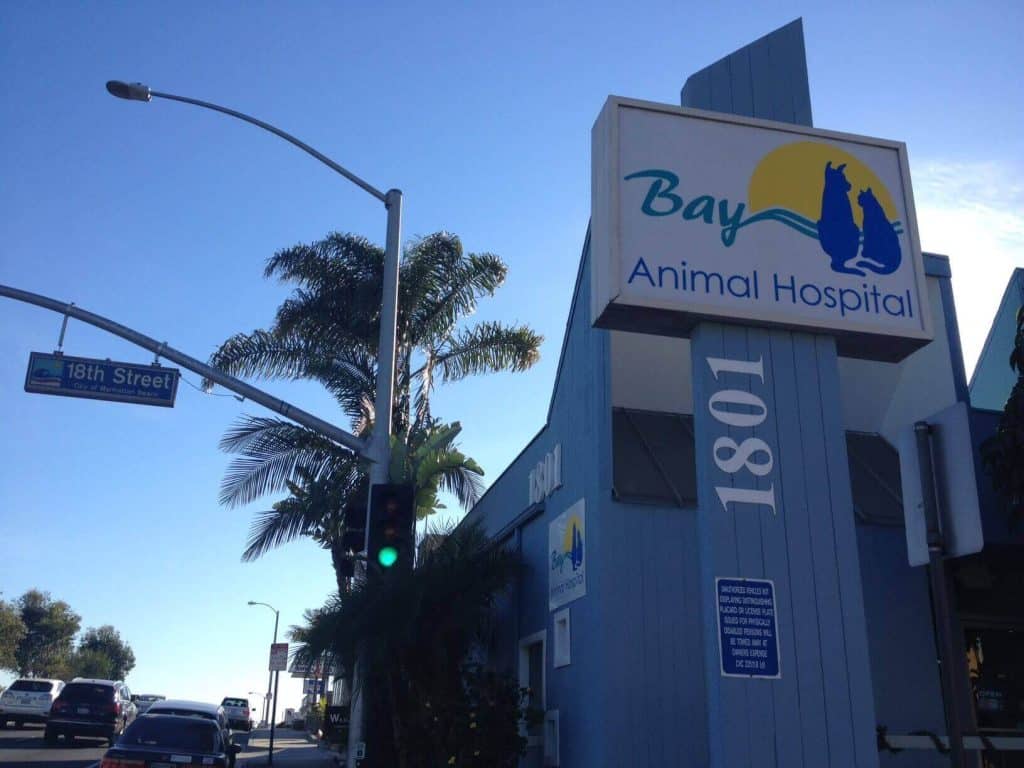
Bay Animal Hospital

Bay Animal Hospital is one of the oldest veterinary hospitals in Los Angeles. Located in Manhattan Beach, Bay Animal Hospital has been in business for over 30 years. This is one of the largest practitioners in the Los Angeles area, with 8 veterinarians, each with their own specialty, supported by 40 different employees. All vet services can be offered by the Bay Animal Hospital. It even has its own in-house laboratory and extensive diagnostic equipment that other vets can only dream of.

Bixby Animal Clinic

Bixby Animal Clinic is located in Long Beach. Since opening in 2005, this Los Angeles veterinary hospital has gone from strength to strength. This vet has long prided itself on the quality of care it provides its patients and the compassion it shows pet owners. Bixby Animal Clinic can offer the most common veterinary services on-site. They specialize in walk-ins and emergency care, with Bixby Animal Clinic ensuring pet owners always have someone looking out for their furry friend should their pet get sick.

Best Friends Animal Hospital

Best Friends Animal Hospital is a slightly smaller animal hospital located in Houma, LA. The team of veterinarians and support staff here offers medicine, surgery, dental care, and preventive care. As Best Friends Animal Hospital has an in-house laboratory, diagnosis is often quick and very affordable. This ensures that animals can receive the treatment they need as quickly as possible. In addition to their veterinary services, Best Friends Animal Hospital also offers full boarding for those heading out on vacation, which can be useful for pet owners with slightly older animals who may benefit from being close to a top animal hospital in LA.

The Melrose Vet

The Melrose Vet is located on Melrose Ave. in Los Angeles. While The Melrose Vet is one of the newer clinics in Los Angeles, it has some of the most experienced vets and support staff on-site. This means that The Melrose Vet can offer a wide range of veterinary services, including surgery, diagnostics, pet rehabilitation, dentistry, emergency care, and vaccinations. In June 2024, The Melrose Vet launched a new emergency treatment service, ensuring that pet parents can receive emergency care for their animals up until 11 pm every day.

LA Central Animal Hospital

LA Central Animal Hospital is operated by a small but dedicated team. The team at LA Central Animal Hospital can offer a variety of treatments to their animal patients. This includes surgery, diagnosis, and dental treatments. In addition to their standard veterinary services, LA Central Animal Hospital also offers animal grooming, dog training, and microchipping.

Los Angeles Veterinary Center
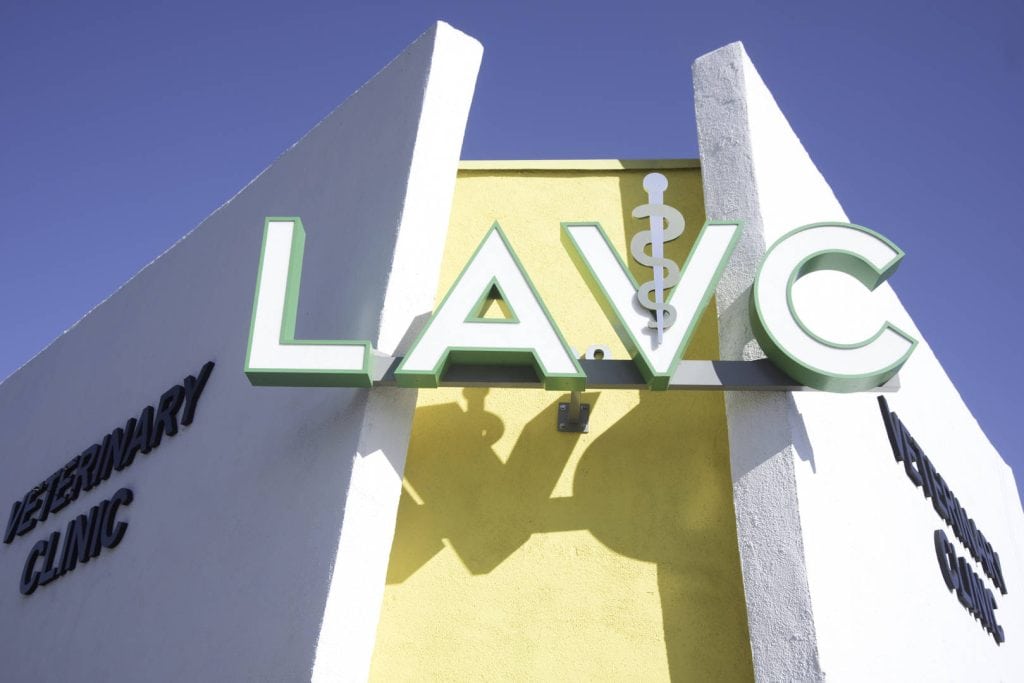
Los Angeles Veterinary Center

The Los Angeles Veterinary Center has two locations within the city. They can be found in both Boyle Heights and Jefferson Park. Both clinics are staffed by highly experienced vets and animal experts, ensuring that no matter where you take your pet, they’ll receive top-notch vet care. In recent years, clinics have started to offer remote diagnosis for animals (over video chat), speeding up diagnosis, making it more convenient, and, in many cases, helping pet owners save money. The vet can work with pet owners who may be dealing with financial hardship. They also support local aspiring students by hiring assistants who attend California vet assistant schools and programs.

Overland Veterinary Clinic

The Overland Veterinary Clinic is one of only a few clinics in Los Angeles open 7-days a week for standard diagnosis/treatments. Offering convenient opening hours, the Overland Veterinary Clinic offers all forms of veterinary services. Overland Veterinary Clinic has invested in the latest diagnostic treatments, too, including radiography. The clinic aims to keep pricing as transparent as possible, listing the most common treatment and diagnosis prices upfront on its website (prices for surgery may vary).

Quality Animal Clinic

Quality Animal Clinic has been serving LA residents for 10 years and boasts state-of-the-art equipment, ensuring fast diagnosis and treatment for animals. Quality Animal Clinic offers a full range of treatments on-site. Quality Animal Clinic mostly focuses on dogs and cats. They can, however, treat other animals if informed in advance.

The LA Fashion District is a popular fashion hub packed with textile stores, fabric stalls, sample sales, and delicious eateries. It’s basically a huge outdoor mall space that’s exciting and rewarding to explore. 

Whether you love textiles or are a fashion expert, the Los Angeles Fashion District has something for everyone. From food and fashion to accessories and perfumes, the District is also home to the biggest flower district in the U.S. Check out sample sales at the Gerry Building, hit up the buzzing outdoor market at Santee Alley, or discover designers’ hidden showrooms.

Check out our quick guide to the L.A. Fashion District to get the most out of your experience.

What to Know Before You Go

The LA Fashion District is one of L.A.’s top shopping destinations. It’s a must-visit for fashionistas, designers, and bargain hunters seeking eclectic items. While there are many online sources for fashionable deals from Depop, selling used and vintage items, to Duuupe, the site that offers affordable alternatives to luxury products, nothing beats the IRL hunt. For this, we find the main route to the L.A. Fashion District, which follows Santee Alley. It’s an open-air market spanning two blocks that features boutiques, street stall vendors, retail outlets, and more. It’s open 365 days of the year. The Fashion District is also near other local attractions, such as the Flower District, open to the general public, and art and entertainment venues, including the Orpheum Theater, the Avenue des Arts, and Escape Room LA.

What to See

The LA Fashion District can be a lot to take in. If you’re hitting up the area for the first time, here are the top places that you don’t want to miss.

  • Santee Alley

Where: Located between Maple Avenue and Santee Street and stretching from Olympic Boulevard to 12th Street

When: The best time to shop is from 9:30 am to 6 pm (some shops may close at 5 pm)

Santee Alley is a bustling market space packed with the latest fashions in clothing, shoes, jewelry, makeup, and perfume. It’s open year-round, rain or shine.

  • Flower District

Where: Between 7th and 8th streets at Wall Street and San Pedro Street

When: Monday, Wednesday, & Friday from 8 am to 12 pm and on Tuesday, Thursday, & Saturday from 6 am to 12 pm.

Spanning six blocks, the area is the biggest wholesale flower district in America. You can find tons of fresh flowers, greens, fillers, decorations, and floral supplies. Some stores charge a $2 admission fee for weekdays and $1 per person on weekends, while others are free. The California Flower Mall is free and open 7 days a week.

  • Textiles and Fabrics

Where: On 8th Street to Olympic Boulevard, located between Maple Avenue and San Julian St.

When: Typically open from 10 am to 5 pm

Sample Sales

Where: Located along 9th & Los Angeles streets, at the California Market Center (110 E 9th), Cooper Design Space, New Mart (127 E 9th), and the Gerry Building

When: On the last Friday of each month, typically from 9 am to 3 pm.

The Fashion District contains high-end designer showrooms with end-of-season samples at discounted prices. Pro tip: Come early, bring cash, and keep in mind that most samples come in sizes 2-4.

How to Get There

The Fashion District covers more than 100 blocks in Downtown Los Angeles. If you’re taking the Metro, hop the Blue Line to San Pedro Station, which will take you to the southern edge of the District. You can also take the D and E lines of DASH routes or use ride-sharing, bike-sharing, or dockless scooter services. The area also offers hop-on, hop-off bus tours and private tours, making it accessible to every kind of traveler. 

Best Time to Get There

Most shops are open from 10 am-5 pm, while the Santee Alley stalls are open year-round during normal business hours. It’s always a good idea to check an individual store’s hours in advance.

Where to Eat

eateries in downtown LA

If you’re a foodie, Downtown LA is the perfect place to be. Grab lunch at one of these fantastic eateries or check out a list of restaurants from the L.A. Fashion District. Enjoy brunch at Poppy + Rose. Located in the Flower District, this restaurant offers great food and an Instagram-worthy ambiance. Don’t miss the flowers, the cute coffee mugs, or their scrumptious fried chicken. They even serve breakfast all day. Check out the Mexican-inspired cuisine at Cilantro Lime restaurant. From fried cheese taco shells to Hot Cheetos, quesadillas, or bacon-wrapped hot dogs, there’s something for everyone to love. Wrap things up with an artisan coffee from Cognoscenti Coffee roastery on South Olive Street near the California Market Center. For fine dining, head to Rossoblu, an authentic Italian restaurant with a Bolognese-inspired menu near Santee Alley.

Pro Shopping Tips

Get your bearings and plan before you hit the streets to snag samples and sample food from tasty eateries in the District.

  • Come early and plan to stay all day. Exploring the Fashion District isn’t a quick trip. Expect to spend at least 10 minutes navigating traffic and finding parking. 
  • Ditch the stilettos. This neighborhood is best explored on foot, so wear comfortable shoes to get the most out of your visit.
  • Carry cash. Many vendors, retailers, and stallholders don’t take credit cards, so come prepared. Some bathrooms also require coins to use.
  • Bring a water bottle and a big tote. Since you’ll be on your feet and on the move all day, it’s important to stay hydrated. A tote bag can help you keep smaller purchases at hand without having to head back to the car. If you plan to buy a lot, consider bringing a collapsible cart.
  • Watch out for counterfeits. Keep an eye out for hawkers selling fashion fakes and save your money. It’s illegal to buy counterfeit goods.
  • Take a lunch break. There’s no need to shop till you drop when dozens of amazing coffee shops, popular lunch spots, and rooftop bars exist in the area.
  • Stick to the area between Los Angeles Street and Broadway for high-end items. Find couture items between 8th and 11th Streets.
  • Layer up. Since many stalls in the District don’t have changing rooms, wear light layers that you can easily remove if you plan to try on items.
  • Shop in bulk. Vendors are more likely to give you a discount.
  • All sales are final. Most items are sold in an “as is” condition and are not refundable.

Things to See Near L.A.’s Fashion District

While you’re in the locale, check out these other fun and historic sights close to the L.A. Fashion District:  

  • Historic Core
  • The Grammy Museum
  • Los Angeles Broadway Theater District

Can a region’s geography stigmatize its reputation? South Central Los Angeles is pretty much the answer. The area is located within the city limits in the Southwestern part of LA County.  

It’s a rectangular-shaped region placed like a puzzle piece in the heart of Los Angeles. According to a KCET report, it was renamed South Los Angeles in 2003. The area has undergone much unrest and racial oppression, which results in stereotypes by outsiders. 

Who would forget the article published by the UK’s Daily Mail in September 2016? The derogatory headline with a subtle hint of racial slur writes about the area where the mother of Meghan Markle resides.

An excerpt from the article: “Plagued by crime and riddled with street gangs, the troubled Los Angeles neighborhood that Doria Ragland, 60, calls home couldn’t be more different from London’s leafy Kensington. But social worker Ragland might now find herself welcoming a royal guest to downtrodden Crenshaw after Prince Harry was revealed to be dating her daughter…”

It shows that the British press fails to make a clear distinction between the geographical and historical aspects of South Los Angeles—a derogatory statement without much research. In reality, Meghan’s mother lives in the Crenshaw neighborhood of View Park, an affluent part of the region.

South Central LA has a population of over 800,000, which many assume is predominantly black. That’s what outsiders generally think. However, the region comprises diverse races and cultures that need to be embraced rather than sidestepped because of the stigma around them.

Can it break the stereotype? Many people paint this region badly because of its location. They often stigmatize the area or see it mainly as the African-American community. But beneath it, the place has a different story to offer. 

Geographical Aspect Of South Los Angeles

The region covers 51 square miles and includes over 25 neighborhoods and 5 unincorporated areas. One factor that makes this region invisible is its boundaries. It doesn’t have clear boundaries and is defined mainly by imaginary borders.

Take Historic South Central, a prominent neighborhood in the region that is 2.55 square miles. The area is bounded by Washington Boulevard, Vernon Avenue, and Flower Street and runs along the historic Central Avenue to the east.

Central Avenue became the epicenter of African Americans after the 20th century. The community owned various business establishments and residences. It was also referred to as the “Black Belt of the city.” 

Another instance is Tom’s Market- A one-story high brown brick building located at the center of the infamous 1992 conflict caused by the Rodney King trial’s verdict. It’s away from the intersection of Normandie and Florence Avenues. 

It is situated within the imaginary borders of the South Central but geographically outside its historic boundaries. Leimert, Baldwin Hill, and Crenshaw neighborhoods are also located outside this perimeter. 

Transcending Geographic Limit Through Race

South LA demographics have changed massively. The early 1970s saw South American immigrants relocating to this region. The 1980s saw street gangs becoming more powerful and dominant in different areas. These attributes led outsiders to paint this region as notorious or a ghetto. 

The Crenshaw Boulevard spans over twenty-three miles, with vehicles taking this route from Mid-Wilshire to North Via Central LA. The boulevard passes the Crenshaw district, which includes affluent areas such as Windsor Hills and View Park. It ends in the Rolling area, which is also a wealthy location. 

Regardless, anywhere there are African Americans, the east side of Interstate 405 is culturally called ‘South Los Angeles.’ It also comes with a subtle hint of derogatory remarks. The same can also be said for border cities such as Compton, Long Beach, and Inglewood, which share similar demographics. These cities are not geographically part of South Central. 

As in any place, the inhabitants of South LA live ordinary lives. Movies and pop culture may have shown a different image, but it’s quite a contrast with reality. It’s not surprising that many have formed an idea of this region based on what they have seen in various forms of media. 

Mr. Ronald, a writer and doctoral candidate, comments that South LA differs from other parts of Los Angeles. He said it’s a region comprising multiple types of citizens holding different job positions, from higher-level to simple designations. 

He also added that the region is working class, like any other neighborhood in Los Angeles. Furthermore, Ronald said that South LA is also home to well-known personalities like Ray Charles, Tina Turner, and Steve Wonder. 

Amidst prominent personalities residing in this region, violence, crime, street gangs, and illegal drugs exist. Since the African-American became the face of South Central LA, the community has suffered from stereotypes the most.

However, in the 2000 census, Latinos were the majority, comprising 87.2%. The black community makes up 10.1% of the historic South LA. Baldwin Hills, Leimert Park, and the Crenshaw district are predominantly black areas. The affluent African-American resides in Ladera Heights, Windsor Hills, and Baldwin Hills, located on the West Coast. 

However, the place of African Americans in this region is continuously disappearing. Raymond, a South LA resident for almost seventy years, moved here from Texas in 1955. 

He states that the biggest issue in the Black community is selling properties that the parents have left. One of his pals sold his grandmother’s house and moved to Moreno Valley. His friend lived rent-free in his grandma’s duplex, but eventually sold off the property after she passed away. 

It’s understandable why some want to leave this area and start anew. Regardless, the region is not what it was years ago. Crime rates have declined since the early 2010s, police patrol has improved, and there is redevelopment. Various initiative programs to reduce crime and gang activity have also begun to improve the community. 

South LA may have witnessed some of the worst social unrest and racial oppression, but the region has thrived regardless. Outsiders may think of this place as a ghetto or area with gangs, but not many have seen it beneath the surface. The region has more to offer than what it’s portrayed in the media.

People from different races and communities live in peace and acknowledge each other. Once seen as a Black monolith, South LA now comprises multiple races. Over time, the existence of various races has helped break stereotypes. 

Of course, crimes and violence still exist, but they have improved more than they were years ago. People residing in these areas have no complaints, and most say their neighborhoods are quiet and peaceful. 

A Brief History of South LA And Its Culture

Historically, South Central LA has undergone complex changes that encapsulate spatial inequality. It’s a region that has witnessed some of the largest protests against racial oppression. Despite much unrest and racial wars, South LA has stood the test of time.

The 1980s saw a massive migration of Central Americans and Mexicans to South Central. Due to economic instability, many have moved to this region. Despite the differences, peace between these communities persisted over time.

Pre-WWII, South Central LA was diverse, like the Eastern neighborhood of Boyle Heights. Mexicans, Jews, Italians, Chinese, Japanese, and Blacks lived together as they were prohibited from residing where the Whites lived.

The region is an architectural delight with prominent historic places. For instance, there is an 80-year-old theatre with Spanish-style art deco in Leimert Park. According to cultural.org, this vision theatre was once operated by Fox West Coast Theaters. 

Also, there is the famous Los Angeles Coliseum, which hosted the 1932 and 1984 Olympics. Furthermore, who can forget the Watts Towers? It is a group of seventeen interconnected structures built by Simon Rodia, an Italian immigrant, over thirty years. 

Kendrick, a sixteen-year-old high school student, is pursuing a career in software development. He said people are surprised that many reputable institutions are located within the borders of South Los Angeles.

Swiveling in his gaming chair, he proudly said, “There are excellent universities and a Natural History Museum.” Also, commenting on his neighbors, he said some are nice, while he grew up with some of them. He added that some are not safe.

It’d be unfair to paint the citizens of South LA as bad people or the region as unsafe. The area is blessed with a Mediterranean climate and has fantastic neighborhood policies. In short, it’s an amalgamation of good and bad. 

One may encounter the Crips and Bloods gangs in these areas and, at the same time, come across scholars, students, anime nerds, celebrities, doctors, and dentists. There are affluent families as well as those struggling. 

Which city or region doesn’t have this socioeconomic disparity? Eventually, you have a narrow mind if you consider everyone in South LA to be avoided. They are not degenerate or hopeless.

The answer may seem simple to some. But in reality, many people, including Eastside residents, struggle to give a clear, straight answer. Besides, a debate continues to rage over where East L.A. begins, because everyone has an opinion.

While some long-time residents mention a particular place, most new residents say they don’t know. Others are hesitant to say anything because they feel the question is political.

For instance, actor Leonardo DiCaprio, who grew up in East Hollywood and Echo Park, said he lived in East L.A. during his younger days. However, most residents disagreed with that statement, and someone corrected him.

The reason a white guy with blue eyes described the area where he lived as East L.A. is that he couldn’t venture further east. Why? 

It may not be well-known to many new residents and youngsters, but Downtown L.A. was like a ghost town at night during the 1980s. On the other hand, people felt intimidated by areas such as Boyle Heights and Highland Park because they supposedly were filled with various gang members.

But there is one point to note: Los Angeles didn’t come into existence in the 1980s or even the 1880s, but in the 1780s. Black, white, brown, and Native Americans all had a hand in establishing Los Angeles. 

This new settlement was called “El Pueblo de Nuestra Señora la Reina de Los Angeles.”  When translated, it reads “The Town of Our Lady the Queen of the Angels.” It comprises present-day Downtown L.A.

So, for all those residents and curious people who regard L.A.’s history more than its geography, designate Eastside L.A. in relation to Olvera Street, often considered the birthplace of Los Angeles.

But with the scenery of L.A. changing rapidly, people make weird assumptions, too. Just recently, Sera Gamble, when talking about shooting locations for the Netflix series “You,” mentioned something along the lines of Leo DiCaprio. 

She said that if anyone truly wished to capture the essence of Los Angeles, they should begin in the east. However, by that, she meant the areas Leo DiCaprio also mentioned, namely, the east of Silver Lake and Echo Park, and not the real Eastside.

With so many varied opinions from various individuals, it’s hard to come to a conclusion. That’s why it became necessary to do a ground report and find out what new and old residents had to say to the question, “Where does Eastside L.A. begin?”

Silver Lake

Eddie Spaghetti, a homeless man for 22 years, earns his livelihood by selling items he finds or that people give him for five dollars. That’s why residents in the area also call him the $5 Guy.

On this day in January, he has a big smile on his face, and when asked where Eastside starts, he is quick to reply, “East L.A.” Next, I asked when he went there last, and he replied, “Yesterday, eating tacos at King Taco on Soto Street and Cesar Chavez.”

Next are two UPS drivers, Victor and Louis, parked near a former vegan and juice shop in Silver Lake. When asked where Eastside starts, both had different opinions.

Victor said to go to Main Street in Downtown L.A. and head east, and that’s the beginning of Eastside. But Louis had another answer. According to him, it starts at “1st Street in East L.A.”

Echo Park

Archena, who originally hails from South Pasadena, was entertaining visitors from Oakland on Sunset Boulevard in Echo Park. She was standing in line at Konbi when asked where Eastside began, and she hesitated before giving a straightforward answer.

According to her, it was a “political conversation,” and she wasn’t the right person to answer. However, she said she knows which part isn’t Eastside and mentioned two areas, Beverly Hills and Brentwood.

She was chatty and lively, but didn’t mention many names besides the two. She owned that she was playing safe, and maybe that was a clever move.

DTLA

A group of young men was skateboarding near Ramón C. Cortines School of Visual and Performing Arts, also called “VAPA” by its students. 

The school is near Chinatown, and when questioned regarding Eastside, Alex, one of the young men, said, “L.A. Trade Technical College.” It was probably a joke, and he said that because he and his friend Nick studied there.

Nick, on the other hand, said, “East L.A.” All the young men said “Spence” and pointed to another youngster when asked who was the best skater among them. 

Strange, but this Spence also had another answer for where Eastside begins, saying “Eagle Rock,” and skated off. Another young man named James (he had great hair) said “Las Feliz” in a weird way, which made everyone laugh.

Boyle Heights

The neighborhood had a huge Jewish population in the past, but not so much now. It’s predominantly inhabited by Hispanics and Latinos, and some white, black, Asian, and Jewish residents. 

Moni’s Party World is a shop for various party items. Eva, who graduated from Felicitas & Gonzalo Mendez High School, has been employed at the shop for about 5 years. 

When asked about Eastside L.A., she initially wondered whether it was between Boyle Heights and Commerce. But then she mentioned it’s “more east than Boyle Heights.”

El Norteño De Savy is a store that has been dealing in menswear for more than forty years. The store has also converted a significant portion of its space into a card game called Yu-Gi-Oh.

Two young men, engrossed in the game, had quick replies about it. But when asked regarding Eastside L.A., they said they didn’t know.

But since I wanted to know their thoughts, I asked what they think when someone says a party is on the Eastside. Their reply was somewhat hilarious. 

Andreas, one of the two boys, said they were introverts and stayed in the same spot. Jonas, his friend, agreed with that statement, and both confessed that they had never wondered where Boyle Heights fits in L.A. in terms of directions. 

But it was way different with Maria, who works as a cashier at the original Guisados. According to her, Eastside starts at Lorena St. She was firm regarding her point and said Boyle Heights wasn’t connected to Eastside.

Another long-time resident, Eduardo Garcia, who has lived in the area for more than 45 years, said that Eastside used to start at Boyle Heights, but now it begins at Lorena St. 

He explains it by mentioning a few things about the neighborhood, but doesn’t exactly arrive at the point. But from his explanation, I did learn several things, like that the lively older man was in the theater business and that he came from Guadalajara, Mexico.

Luis Vega, the City of Angels Tattoo shop owner, said Boyle Heights was where Eastside began in the past, but not anymore. But he ponders a bit and explains that if you look in the west, there’s L.A., and when you look towards this side, it’s the Eastside.

A customer, Fatima, had a different opinion. She said that Eastside starts at Indiana St.

Luis Vega’s two teenage sons were also in the shop, and when I asked them, Luis Jr. replied, “Whittier,” but his brother wasn’t sure what to answer as he had never considered it.

Lorena Street

Javier, smoking a cigarette in the Lorena Drive-In parking lot, has a separate view. He disagrees that Lorena Street is the beginning of Eastside. He says the east of the L.A. River marks the Eastside, and the river is the divider. 

According to him, he judges things by what Mother Nature provides and not by what people say. He also says that Boyle Heights ends in Indiana Street, and East L.A. begins from there. But he disagrees that Eastside starts there.

Johnny’s Shrimp Boat

I headed towards the west and went inside Johnny’s Shrimp Boat, a restaurant a few blocks away. If you watched “Rampart (2011)”, which starred Woody Harrelson and Ice Cube, you must have noticed this restaurant. 

Two people were in the restaurant: Victor, who was working the Grill, and George, a customer. When I questioned them regarding the beginning of Eastside, they both replied differently.

The customer, George, said it started in El Sereno. But Victor disagreed and said it began after Lorena St. corrected him, saying, “Indiana, my bad.” When asked why, he said, “It is what it is.”

Indiana Street

I move back towards Indiana Street again and notice a mini market called Indiana Dairy. A friendly Asian lady in charge of the market chats with me, but when I ask where Eastside begins, she says she cannot speak or understand English well.

But I am not deterred by this, since I want some answers, so I will try to obtain opinions from her customers. 

I met Raphael, who was scratching a ticket and had just won. As he entered the Indiana Market, I asked the all-important question, and he replied that Eastside began on this street. When asked why, he said, ” This place is Boyle Heights, and east of here is East L.A.

Another customer, Jose, was also trying his luck on the ticket. He was sitting in his classic car, a 1966 Mustang. When I enquired regarding the beginning of Eastside, he wasn’t sure but said it was either Indiana or Lorena. He resides in the area. 

When he learns the question is asked because many people consider Silver Lake or Echo Park as the starting point of the Eastside, he is amazed, or even finds it hilarious. 

His exact words are “Silver Lake?” “I’m lost on that one.” 

These unsung indie theatres across the city promise enthralling shows, proving that LA’s theatre scene offers captivating experiences beyond the bright lights and glamour of Hollywood.

LA continues to be perceived as having a theatre industry that is not on par with high-end drama districts in other parts of the US. 

Of course, New York remains the country’s theatrical district thanks to Broadway. Cities like Minneapolis and Chicago are not far behind, with performing arts industries comparable to the best in the world. On the other hand, the glitz and glamour of the silver screen dominate the LA scene to such a degree that live theatre often takes a back seat and goes unnoticed. 

The truth is that LA’s thriving theatre industry rivals the top playhouses in the country. This thriving theatrical landscape attracts and invites countless performers, directors, writers, and singers to the city, hoping to make it big in La-La-Land. Most of today’s big-screen stars have inspiring personal histories of hustling, grinding, and perfecting their craft at these underrated joints and destinations. 

However, finding the right local theatres can get confusing amid attractions like Hollywood, LA’s beaches, theme parks, and the city’s rich blend of pop culture. The challenge of finding a quality playhouse is real for locals and visitors alike. 

Here’s a handy list of unheralded theatres and playhouses to catch show-stopping performances and spectacular encores!

The Antaeus Theatre Company

Fans of classical theatre should visit this destination to experience a sophisticated theatrical experience while relishing the finesse and intricacies of classical plays. You’ll catch a Shakespearean play or works by playwrights like Arthur Miller, Samuel Beckett, or GB Shaw on any given day. 

Masterpieces of the past, like Shakespeare’s “Hamlet” or “The Wedding” by Anton Chekhov, are examples of the timeless classics to witness here. Grab tickets for one of their Classic Sundays, where traditional plays meet excellent artistry. 

The Antaeus isn’t just oldies and classics, though. Their shows often include dynamic renditions of modern plays and stories composed more recently. Postmodern productions such as “Downstairs” by Caryl Churchill and “The Lonesome West” by Martin McDonagh often grace the stage at this elegant theatre. 

Broadcasting station KCRW 89.9FM calls the team “the strongest acting ensemble” in the whole of Los Angeles. So, lovers of the performing arts in LA should not miss out on the exclusive shows presented by this company. 

The Antaeus Theatre Company operates from the Kiki and David Gindler Performing Arts Center, which is located at 110 East Broadway. Don’t wait till you’re around Glendale to check out this place. Go through https://antaeus.org/ and see what upcoming shows grab your attention. 

The Sacred Fools Theatre Company

The Sacred Fools Theatre is a company not afraid to sow seeds and see what takes root. They love experimenting and giving most ideas a try to see what resonates with their audience. 

LA Weekly described them as the most “whimsical” and “provocative” troupes to ever grace the theatre scene in the city. Their distinct standards of performing arts have not gone unnoticed. Sacred Fools has received over 100 recognitions and almost 200 nominations across various theatrical categories, with the most recent win being the Sustained Excellence Award from the Los Angeles Drama Critics Circle.

Comedic musicals like “LOUIS & KEELY: Live at the Sahara” are now popular at mainstream venues like the Geffen Theatre, thanks to the premieres and visibility the show gained through Sacred Fools. 

Since 2016, they’ve occupied a new lot in Hollywood’s Theatre Row, making them even more accessible. 

Sacred Fools also organizes a recurring Summer Theatre Camp for young people to learn acting chops, improvisation skills, and playwriting techniques. 

Located at 1075 Lillian Way, this one’s another must-see theatre in the City of Angels. Check out http://www.sacredfools.org/ for show details and tickets. 

The Hollywood Fringe Festival 

Theatre fans wondering what trends lie at the frontier of modern theatre should check out The Hollywood Fringe Festival at least once! The festival remains a melting pot of diverse productions and presentations across over a dozen venues, mainly located along Santa Monica Boulevard. 

Hundreds of live shows run across diverse venues along the boulevard. Many of these plays run simultaneously. So, it’s wise to check the festival’s live schedule online and plan your day accordingly. 

The festival typically falls in June or July. Visitors enjoy a wide selection of shows, ranging from remade classics to avant-garde productions that push the boundaries of theatre. It’s a destination where hundreds of new artists and productions converge to create a den of spectacular and unforgettable performances. 

The magic of this festival comes from the diversity of performances that reach the stage without strict curators filtering applicants. Expect unseen sights and one-of-a-kind presentations that will keep the LA theatre community abuzz for the remainder of the year. 

Check out https://www.hollywoodfringe.org/ for how to get started! 

The Echo Theatre Company

If you want to see future theatrical successes developing in their nascent stages, The Echo Theatre Company is the place to go! 

The company has an unmatched track record of spotting and showcasing potential stars in the making, whether it’s star performers on stage, exceptional musicians, or talented writers; the Echo Theatre Company has a knack for identifying unseen diamonds in the rough in the theatre industry. 

There’s a good chance some of your favorite playwrights and performers got their beginnings from Echo Theatre’s sprawling stage. 

Well-known industry writers like Rick Cleveland, Sara Ruhl, and David Lindsay Abaire found their first opportunity to showcase their abilities at The Echo Theatre. Author, screenwriter, and Pulitzer finalist Adam Rapp also contributed to his first production at this company. 

The Echo Theatre is among the few smaller companies to nurture award-winning productions from the grassroots to coveted destinations like the Geffen Playhouse. They did it once in 2003 with the epic symphony “War Music.” They repeated this accomplishment with “The Cake” in 2018. 

For show listings, tickets, and information about their events, check the company’s site at https://www.echotheatercompany.com/. 

Theatre of NOTE

This theatre is far from the sprawling, decorated spaces of the Orpheum on Broadway or the El Capitan on Hollywood Boulevard. However, what it lacks in physical spectacle, it makes up for with artistic risks and emotional honesty in its performances. 

They also focus on premiering world-class productions that have not appeared in LA before. So, expect novelty and new plays when you head to their premieres. Many of the Westside’s latest entrants and premieres choose the Theatre of NOTE as their preferred premiering playhouse. 

The company also hosts a wide range of developmental projects aimed at skilling up young talent for the industry. The Voices of Note is a series of trainings that help budding writers find their creative groove. The NOTEworthy projects focus on finding undiscovered plays and productions that deserve a bigger audience and broader market. 

Located at 1517 Cahuenga Boulevard, the Theatre of NOTE remains a breath of fresh air, secluded from the loud, vibrant centers of Broadway and Hollywood Boulevard. 

If you’re an aspiring writer or creative, you can sign up for their programs at https://www.theatreofnote.com/ or browse their upcoming shows to book a spot. 

The Celebration Theatre

Housed at The Lex on Hollywood Boulevard, the Celebration Theatre epitomizes diversity, inclusivity, and equality, standing tall in LA’s theatre landscape. 

The company is known for promoting and reaching out to LGBTQ theatre community members in LA and beyond. The theatre is also aptly named, given its culture of celebrating artists of different orientations, lifestyles, and inclinations. 

They host remakes and revivals of established productions, such as Finn and Lapine’s “A New Brain.” Expect progressive plays and new-age productions that break traditional barriers in performance and reach out to new frontiers in artistic thought. 

The Celebration Theatre is a recipient of Margaret Harford’s Award for Sustained Excellence and multiple GLAAD and NAACP awards. Today, it’s almost an institution that champions equality and inclusiveness amongst queer performers and serves as a venue for showcasing sidelined LGBTQ performers and writers on a mainstream platform. 

You can catch The Celebration Theatre’s latest updates at https://celebrationtheatre.org/. Their website also includes updated news on ticket prices, shows, and events around the corner. 

Rogue Machine Theatre

If you’re tired of CGIs and the limits to artistry on the big screen, live plays at the Rogue Machine Theatre may just be your ticket! 

Oscar-nominated films like “Oppenheimer” come to life in this theatre’s dynamic performances and emotional recreations. Plays like “Dutch Masters” relive the spectacle of live shows on the Rogue Machine’s hallowed stage. These and countless other productions await visitors and guests at this exceptional but lesser-known theatrical destination. 

The LA Times reported that Rogue Machine continues to display the most extravagant and memorable seasons from other theatres in the city. That’s a huge compliment coming from someone critical of underperforming production companies in LA. 

It’s not just shows and productions, though. The Rogue Machine’s “Rant and Rave” series brings together the most talented writers and authors for deep conversations that regularly engage and enlighten attendees. 

Their “Days of Giving” events include food drives and other philanthropic initiatives that leverage their visibility to give back to the community. 

There are countless reasons why Rogue Machine deserves the attention of theatre lovers, and world-class productions are only one of them! Discover how you can get involved or book your tickets at https://www.roguemachinetheatre.org/. 

The Actor’s Gang

Theatre fans in LA may already know The Actor’s Gang, thanks to its reputation as a no-nonsense creative hub for emerging and established performers. But this theatre’s distinct style and identity warrant a mention. 

For the uninitiated, this troupe is directed and supervised by Academy Award winner and veteran actor Tim Robbins. Robbins initiated the company back in 1981 as a space for creatives to present and capture the intricacies of live theatre that are often absent on the silver screen. 

Holiday classics like “It’s a Wonderful Life” and other well-known plays are frequently presented on stage here. The team also dabbles in innovative plays that offer social and political messages under its wings. The “(Im)migrants of the State” is an epic story and an example of such message-bearing productions. 

The company also presents plays written in-house by the Actors’ Gang writing department. So, you can expect original works never seen in other theatres and likely never to appear again in mainstream production houses. The playhouse also hosts star performers like Helen Hunt and Jack Black, who have graced its decorated stage on more than one occasion. 

The Prison Project is a unique initiative started and nurtured by The Actor’s Gang. They reach out to convicts and prison inmates, helping them develop theatre skills or hone their performing abilities. The initiative aims to help released inmates rejoin society with improved social skills and potentially more employable skills. 

The company functions from its theatre located at 9070 Venice Boulevard. You can learn more about the troupe and its activities at https://theactorsgang.com/. 

Zombie Joe’s Underground

The Zombie Joe’s Underground theatre is about as indie as it gets in niche theatre scenes. Fans of ghoul-like and spine-chilling live plays will love the horror and grim depicted on stage at Zombie Joe’s Underground. 

Their shows aren’t meant for the light-hearted or the squeamish. Excellent makeup and performances characterize their remakes of Mary Shelley’s “Frankenstein”; meanwhile, productions like “Possession: An American Serial Killer” promise to keep you on the edge of your seats throughout the play. “Blood Alley Christmas” is a gruesome production meant for spectators who don’t mind fake blood on stage. 

Zombie Joe’s Underground also hosts an exclusive event called the 50-hour Drive-by Festival. It’s an event where troupes of talented writers and performers create, produce, and perform a play in just two days. During this festival, you’ll see some of the best improvs and creative talents showcasing their work. 

One of their most provocative productions is “Urban Death,” a haunted tour of terror that promises to shock and terrify even the most unflinching spectators at the front of the theatre. The joint is located at 4850 Lankershim Boulevard. And you can catch updates on their horror shows and events at http://zombiejoes.com.

Paul Smith had one thing in mind as he created the Instagram-famous Pink Wall: to be as recognizable and appreciable as the Eiffel Tower. Trademarked with Pink, the Iconic Wall stands vibrant and forever “Instagramable.”  

Droves of people flock and keep leaning against the dazzling pink wall of Paul Smith’s Flagship store on Melrose Avenue. A group of friends, all women, wearing heavy makeup, dressed in expensive mini-skirts and stylish bucket hats, leaning into each other. They pose, putting on their best model faces, as a group member extends her long arm for that perfect We-fie.

Another woman in her early twenties, influenced by the latest pop culture, dressed in fancy sweatpants and a baseball hat, strikes a pose, tilting her head to the side, throwing up the popular mini heart gesture as her friends take pictures of her. 

Well, it turns out the women have come all the way from South Korea to do their own pink wall shoots. Makes you wonder how on earth they discovered Paul Smith’s iconic Pink Wall.

“Instagram,” they yelled simultaneously while giggling to their heart’s content. 

It’s estimated that at least 100,000 people journey to the store’s pink wall each year, all to take grandiose shots and upload them to Instagram. With how famously celebrated and globally recognized it is today, the pink wall is truly only second to the Great Wall of China in terms of being photographed, as Paul Smith claimed.

But while the iconic “pink wall” may as well be the center of attraction, Paul Smith’s own Flagship store, which sells suits for men and houses a collection of photography and sculpture for dreamers and art lovers alike, lies beyond it.

“I actually thought it was a makeup brand. Boy was I wrong,” exclaimed the clueless young adult from China who was so familiar with the “pink wall” yet had no idea what the store stood for. But can you blame her? Most people just come for the aesthetics and leave as soon as they take their picture. Would they be surprised if they discovered that it’s one of more than 300 retail store locations representing Paul Smith’s menswear label since his first store in 1970?

It’s known that the brand hasn’t exactly embraced or done much to reach this height of popularity, other than a few comments you’d find on various social media platforms. But one thing’s for sure, they have always refused to comment further.

While the brand wouldn’t have predicted that its iconic “pink wall” would blow up on social media a decade ago, Paul Smith had already dreamt of this building becoming a social media phenomenon. 

“From all sides, Paul always wanted a building that would be remembered like the famous Eiffel Tower,”- Richard, Paul Smith’s assistant manager.

Paul Smith’s assistant manager added, “He is an intense Mexican architect, Luis Barragan’s admirer, and the color for the pink wall comes as an inspiration from Rosa Mexicano, Barragan’s signature pink.”

The Famous Rosa Mexicano is splashed across Mexico City and at the museum, which was once the former residence of Luis Barragan. Still, the thing about beauty is, it is without imperfections! No photographs are allowed inside the museum. 

Even the man himself, Luis Barragan, was known to be colorblind, and his lover/assistant chose this shade of pink, making it even more special. It’s been said that the shade was specifically chosen to bring light to the surface, an old visual trick that lit up buildings that relied on skylights and windows for illumination.

The inspiration wasn’t taken for granted, since Smith’s work was up to the level of his icon; picture takers can easily create the perfect depth they aspire to in their photographs, moving forward and back.

“Our iconic pink wall has the perfect vibrant background and is placed perfectly facing the sun and light’s direction, making them hit faces while capturing moments,” Richard adds. “The brand’s color pink, pink ladies, is also trademarked, meaning it cannot be ordered from any paint stores without a code, which only I have.”

The Birth of Instagram came shortly after five years into Paul Smith’s move to Melrose Avenue, and by then, the pink wall had garnered all the attention since picture takers glowed spectacularly on their posts. 

“The pink wall was meant for great heights and basically reached it overnight,” Richard explains. “It’s a gift and a curse that most of us in retail never get to experience, not that we hate it, but the cons outweigh the pros.”

The man Smith basically spends, give or take, $60,000 a year to maintain and preserve the iconic pink wall. It’s been said that they have to repaint it every three months. Since the wall needs cleaning, and hosing it down is not an option, their janitor, named Patrick, cleans it by hand. 

With all the money spent each year and the attention it attracts, anybody in their right mind would think that the brand worships the wall and is used as the greatest marketing tool ever, and yet it couldn’t be further from the truth.

While the pink wall may be getting all the attention, the store is practically empty. But it’s not shocking since picture takers are generally teens and younger adults who can’t afford luxury clothing. Most shoppers are fancy-car owners who walk straight into the store and back without giving the iconic wall any clout, bringing a whole new level of gift and a curse.

“I’m that person the janitor calls at any time of the day with literally any issues, so if there’s an act of vandalism and such, I’m the first on the scene,” says Richard. “Since the multiple graffiti incidents and other issues that needed fixing, we’ve started taking measures to stop it from happening again.”

A street artist who went by the name Thrasher had graffitied the wall multiple times, and the last incident occurred at 2 am on the 12th of September 2018. “Go Fuck Your Selfie” was the words sprayed all across the wall.

The meaning behind the graffiti Thrasher so violently sprayed was to empower young women and tell them they didn’t need approval from social media or society. The idea, in a nutshell, was, “You’re all beautiful, don’t let any individual tell you otherwise.”

“Paul received an apology from Thrasher’s manager, and they even offered to pay for all the damage they’ve caused,” Richard says. “Although Smith refused and said that he wouldn’t be taking anything from them except their promise that they wouldn’t do it again, he followed it up with criticism.”

“No man should be telling a woman what is acceptable,” Richard added as he gave a quick laugh.

To prevent such incidents, the brand established a couple of rules to protect the iconic pink wall and hired security personnel to enforce them. Some of the rules the wall strictly enforces are that individuals are not allowed any props, costumes, or professional cameras, and that no feet are allowed to touch the wall.

There’s a sign posted that lists all the rules, along with the brand’s Instagram handle, their preferred hashtag, and a geotag. “We need to live by rules if we want good things to stay good,” Richard adds.

“The popularity and success the famous pink wall has gained throughout the years are monumental, and to leave without a picture leaning against the wall would disappoint culture.” With a rough estimation, Richard states that the visitors are in the majority, approximately 70 percent, are from across the pond. 

Given the number of international visitors, it would be a shame to just stick with expensive clothing; even though some tourists, who appreciate Paul’s work, are delighted to purchase goods, most visitors don’t. To cater to all types of tourists, the store decided to sell a variety of souvenirs and other merchandise and to hand out free postcards and pins.

Even the hospitality shown at the store knows no bounds. “In good faith, the brand’s staff provides water to people taking pictures at the Instagram-famous pink wall if they come inside and certainly allows each one of them to use their restrooms.”- Yelp comments.

With people from all over the globe visiting this iconic pink wall, the traffic the street attracts is truly glorious, and all the other stores surrounding the wall have claimed that they reap the benefits as well.

“Been working at the Carrera Cafe for years now, and one thing I can positively say is that having the pink wall near your business is frankly a blessing in disguise,” says a barista.

But the attention couldn’t be better directed, since the picture-takers visiting the monument, the pink wall, have free Wi-Fi, bathrooms, and a place to charge phones at the cafe. It’s almost like it’s heaven for models and influencers blooming on various social media platforms.

While there have been myriad offers for Paul Smith to advertise various brands on their wall, they have been adamant in turning each one down.